

lunes, 6 de abril de 2015

miércoles, 11 de marzo de 2015
PARTS OF A QUAVER
The parts of a quaver are: the FLAG, the STEM and the NOTE HEAD:

We can also find STEMS in nature:

We can also find STEMS in nature:
lunes, 2 de marzo de 2015
THE DIATONIC SCALE
- A scale is a set of notes ordered by pitch. It can be ascending or descending
- The diatonic scale is made of seven notes (high 'do' is repeated)

- It has five tones (or whole steps) and two semitones (or half steps)
- The semitones in the diatonic scale are between the notes mi-fa and si-do

- If you look at the keys of a piano you can see the distance of tone and semitone easily. There is no black key between the semitones.

sábado, 28 de febrero de 2015
INTERVALS
- In music, an interval is the difference between two notes.
- An interval can be of:

- Intervals can be ASCENDING or DESCENDING:

- An interval can also be HARMONIC or MELODIC.

miércoles, 18 de febrero de 2015
lunes, 16 de febrero de 2015
JUEGOS PARA INICIARSE EN EL PIANO
He encontrado estos interesantes juegos muy útiles para iniciarse en el teclado, pertenecen a la web "Aprendo Música":

PIANOS VIRTUALES:
lunes, 9 de febrero de 2015

miércoles, 4 de febrero de 2015
Ear training
Si queréis practicar la educación auditiva en el aula una interesante manera de hacerlo es a través de los juegos.
La página web de la editorial Bromera nos presenta una serie de juegos muy interesantes y en inglés, para mejorar el oído de nuestros alumnos:


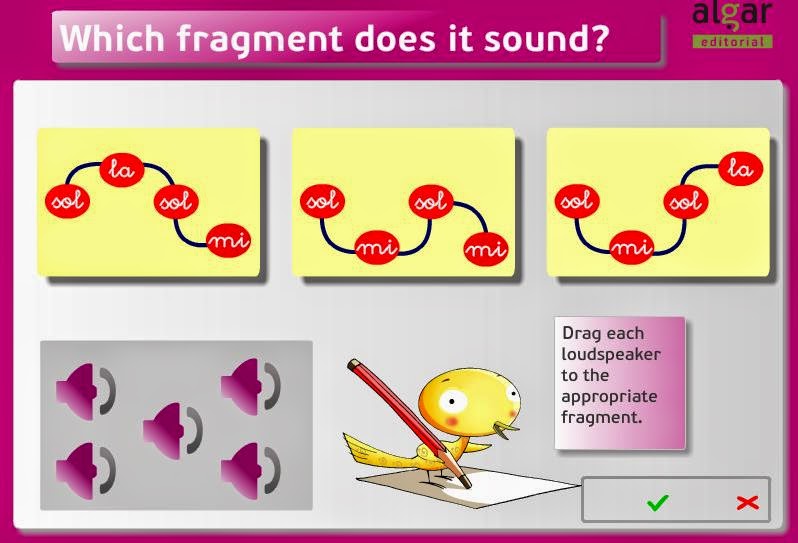
La página web de la editorial Bromera nos presenta una serie de juegos muy interesantes y en inglés, para mejorar el oído de nuestros alumnos:
miércoles, 21 de enero de 2015
Young person's guide to orchestra
Discover the different families of instruments with the "Young person's guide to orchestra" composed by Benjamin Britten.
You can notice the different sections as they use different colors for each one:
You can notice the different sections as they use different colors for each one:
lunes, 19 de enero de 2015
Our voice, how it works and types of voices
How the voice
works:
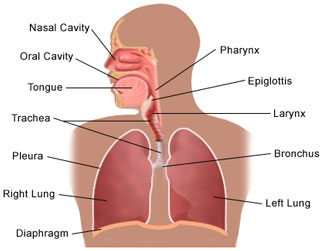
The sound of human voice is produced when air vibrates. The vocal cords in the voice box begin to vibrate when
the singer sends air up out of his/her lungs using the muscles of the
diaphragm.

Types of voices
Female
|
Range
of Voice
|
Male
|
Soprano
|
High
|
Tenor
|
Mezzo
soprano
|
Medium
|
Baritone
|
Contralto
|
Low
|
Bass
|
Suscribirse a:
Entradas (Atom)
